
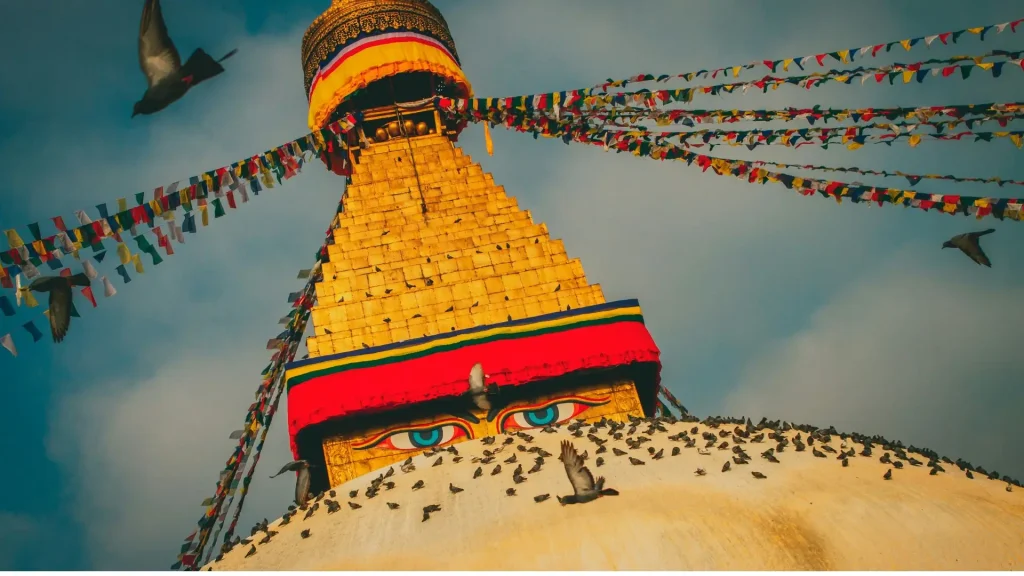
Kathmandu Valley is the cultural and historical core of Nepal, home to three former royal cities, Kathmandu, Patan, and Bhaktapur, and seven UNESCO World Heritage monument zones packed into a bowl-shaped valley ringed by green hills.
For most travelers, it is also the starting and ending point of a Nepal trip, since Tribhuvan International Airport sits inside the valley itself. This guide covers what to see, how many days to budget, when to go, what things cost, and how to get around, based on how the valley actually works for independent travelers.
If you’re planning a wider Nepal journey beyond Kathmandu Valley, Wander Himalayan offers practical travel guides covering Nepal’s destinations, trekking routes, culture, food, and experiences to help you build a trip that fits your interests and travel style.
Quick Answer
Kathmandu Valley is Nepal’s capital region, made up of Kathmandu, Patan, and Bhaktapur, and holds seven UNESCO World Heritage sites: three Durbar Squares plus Swayambhunath, Boudhanath, Pashupatinath, and Changu Narayan. Most travelers need 3 to 5 days to see the highlights properly. The best time to visit is October to November or March to April, when skies are clear and temperatures are mild.
Table of Contents
Key Takeaways
- Kathmandu Valley contains three historic cities (Kathmandu, Patan, and Bhaktapur) and seven UNESCO World Heritage monument zones.
- Plan for 3-5 days minimum to visit the major heritage sites without rushing; a week allows time for day hikes and slower neighborhood exploration.
- Autumn (late September-November) and spring (March-April) offer the clearest mountain views and most comfortable weather.
- Entry tickets are required at most heritage sites, with Bhaktapur Durbar Square the most expensive and Swayambhunath among the cheapest.
- The valley is the center of Newar culture, visible in its architecture, food, and year-round festival calendar.
- Tribhuvan International Airport (KTM) is the only international gateway to Nepal and sits within Kathmandu city itself.
- Traffic and air quality dip in the valley during peak dry-season months, so factor in extra travel time between sites.
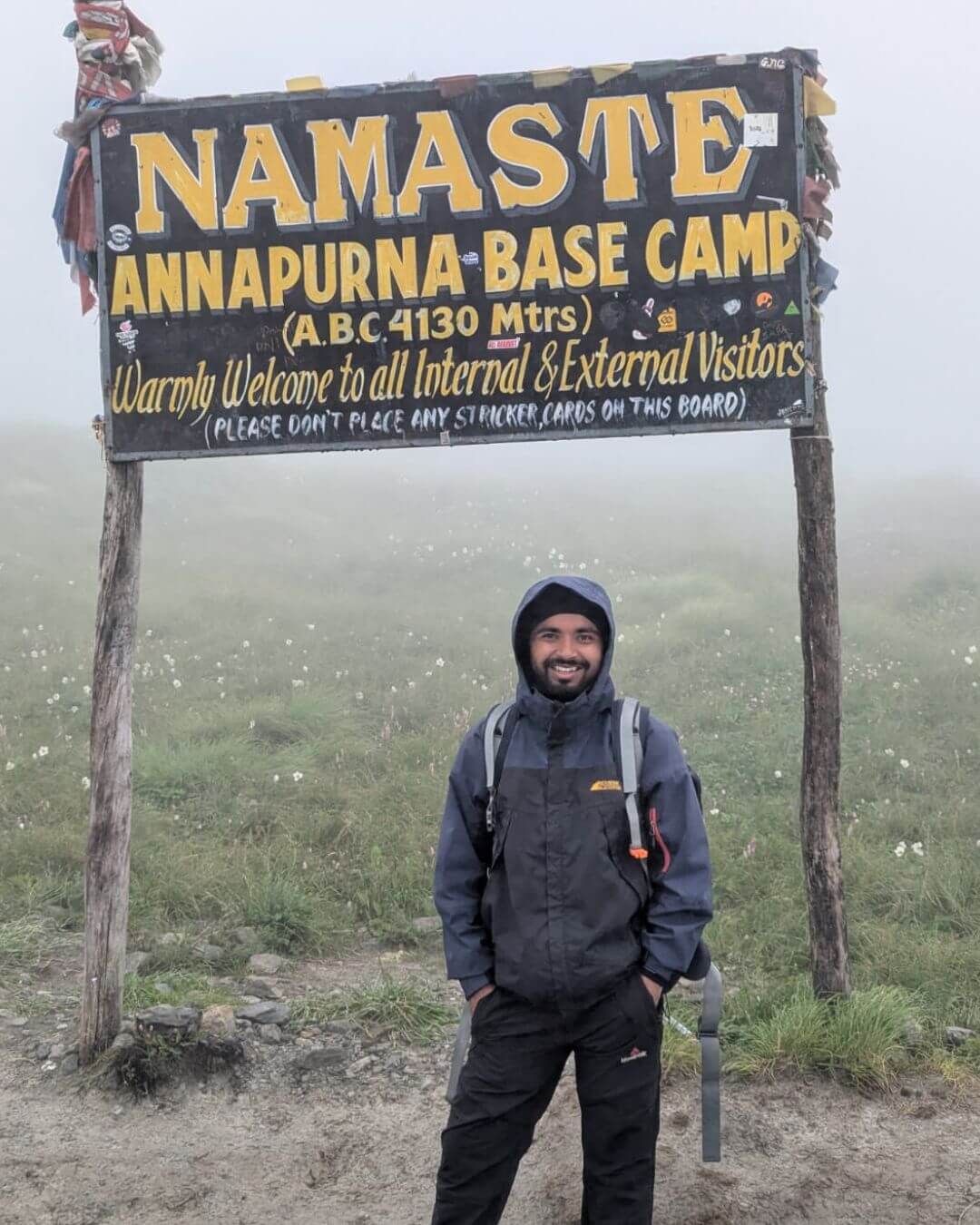
- Kathmandu Valley works well both as a standalone destination and as a base before or after trekking in the Everest, Annapurna, or Langtang regions.
What Is Kathmandu Valley?
Kathmandu Valley is a roughly bowl-shaped basin in central Nepal, ringed by hills at an average elevation of around 1,400 meters (4,600 feet), and formed from the bed of an ancient lake that geologists believe drained thousands of years ago. Within it sit three historic cities, Kathmandu, Patan (Lalitpur), and Bhaktapur, each of which was once the seat of its own royal dynasty before the valley was unified in the 18th century.
The valley is the heartland of Newar culture, Nepal’s Indigenous urban civilization, known for its distinctive pagoda-style temple architecture, wood and metal craftsmanship, and a festival calendar (jatras) that runs almost continuously through the year. Hinduism and Buddhism coexist closely here, often within the same courtyard, which is part of why the valley earned UNESCO recognition.
Today, Kathmandu Valley functions as Nepal’s political, economic, and cultural capital and as the arrival and departure point for nearly all international visitors, including trekkers heading to Everest, Annapurna, or Langtang.
| Quick Fact: The Kathmandu Valley was inscribed as a UNESCO World Heritage Site in 1979 and placed on the List of World Heritage in Danger in 2003. However, following extensive restoration and preservation work, it was officially removed from the Danger List in 2021. |
Best Time to Visit Kathmandu Valley
The best time to visit Kathmandu Valley, Nepal, is during autumn (late September to November) or spring (March to April), when the weather is dry, temperatures are comfortable, and visibility for mountain and heritage-site photography is at its best. These two windows also align with Nepal’s biggest festivals.
| Season | Months | Weather | Good For |
| Autumn | Late Sep – Nov | Clear skies, mild days (18-25°C), cool nights | Best overall window: Dashain and Tihar festivals |
| Winter | Dec – Feb | Cold mornings/nights, sunny midday, occasional fog | Fewer crowds, budget deals, but hazy mornings |
| Spring | Mar – Apr | Warm days, some haze from regional agricultural burning | Rhododendrons, Holi, and Nepali New Year, pre-monsoon trekking |
| Monsoon | Jun – Sep | Frequent afternoon rain, humid, lush greenery | Quiet sightseeing between showers, budget travel |
| Weather Tip: Even in the “best” seasons, mornings in the valley can be cool and hazy, especially in winter. If you’re touring open-air heritage sites like Durbar Squares, late morning to early afternoon usually gives the clearest light and least crowded courtyards, aside from around Kathmandu Durbar Square, where very early morning is quieter. |
How Many Days to Spend in Kathmandu Valley
Most travelers should budget 3 to 5 days in Kathmandu Valley to comfortably see its major heritage sites without rushing between them. Two days is workable only if you’re tightly focused on Kathmandu and Patan alone; a full week lets you add Bhaktapur overnight, a day hike, and slower time in local neighborhoods.
- 2 days: Kathmandu Durbar Square, Swayambhunath, Boudhanath, and Pashupatinath, a fast but doable highlights run.
- 3-4 days: Add Patan Durbar Square and a full day in Bhaktapur, ideally with an overnight stay there.
- 5-7 days: Add Changu Narayan, a day hike (Nagarkot, Champadevi, or Shivapuri), and unhurried time exploring Thamel, Patan’s backstreets, and local food.
| Local Insight: Many travelers try to see Kathmandu, Patan, and Bhaktapur Durbar Squares in a single rushed day. Bhaktapur alone rewards a half- to full-day trip on its own. Its car-free core, pottery squares, and quieter pace are easy to underrate if you are racing the clock. |
Places to Visit in Kathmandu Valley: The 7 UNESCO Heritage Sites
Kathmandu Valley’s seven UNESCO World Heritage monument zones are the three Durbar Squares of Kathmandu, Patan, and Bhaktapur, plus the Buddhist sites of Swayambhunath and Boudhanath, and the Hindu sites of Pashupatinath and Changu Narayan. Together they form the backbone of any Kathmandu Valley itinerary and represent centuries of Newar temple architecture and craftsmanship.
| Site | Type | Approx. Foreigner Entry Fee* | Highlight |
| Kathmandu Durbar Square | Royal palace complex | NPR 1,000 (~$6.55) | Kumari Ghar, Hanuman Dhoka, Kaal Bhairav |
| Patan Durbar Square | Royal palace complex | NPR 1,000 (~$6.55) | Krishna Mandir, Patan Museum, Golden Temple |
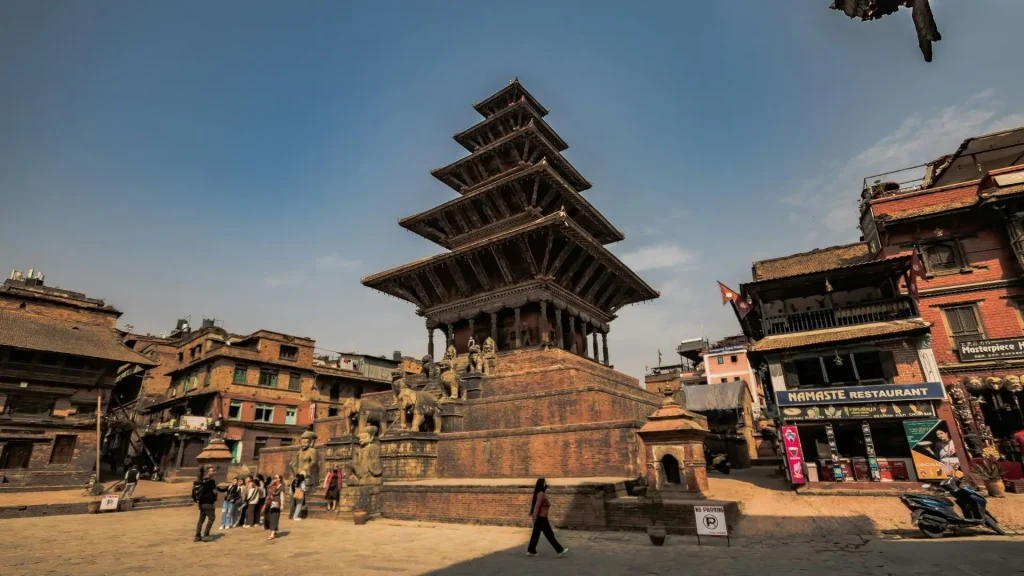
| Bhaktapur Durbar Square | Royal palace complex | NPR 1,800 (~$11.80) | Nyatapola Temple, 55-Window Palace |
| Swayambhunath | Buddhist stupa | NPR 200-400 (~$1.30 – $2.60) | Hilltop views over the valley |
| Boudhanath | Buddhist stupa | NPR 400-600 (~$2.60 – $3.90) | Largest stupa in Nepal, Tibetan Buddhist center |
| Pashupatinath | Hindu temple complex | NPR 1,000 (~$6.55) | Cremation ghats on the Bagmati River |
| Changu Narayan | Hindu temple complex | NPR 300-500 (~$1.95 – $3.30) | Oldest temple in the valley, 5th-century inscriptions |
Fees fluctuate and are periodically revised by local authorities; always confirm current rates at the ticket counter or with the Nepal Tourism Board before your visit. SAARC nationals and Nepali citizens typically pay reduced or no fees.
| Important: Tickets to most heritage sites are valid for a single day only, but Kathmandu, Patan, and Bhaktapur Durbar Squares offer free or low-cost extended passes for the duration of your visa if you bring your passport and a photo to the site’s tourism office. This is worth arranging if you plan to walk through repeatedly. |
1. Kathmandu Durbar Square
Kathmandu Durbar Square was the royal palace complex of the Malla and later Shah dynasties and remains the ceremonial and religious heart of the old city. Its highlights include Hanuman Dhoka (the old royal palace), Kumari Ghar, home to Nepal’s living goddess, the towering Taleju Temple, and the striking Kaal Bhairav stone relief. The square sits about a 20-minute walk from Thamel, Kathmandu’s main tourist hub, making it easy to combine with a half-day of shopping and cafés.
2. Patan Durbar Square
Patan Durbar Square, in the city of Lalitpur just south of the Bagmati River, is widely considered the valley’s finest showcase of Newar stone and metal craftsmanship. The Krishna Mandir, built entirely of carved stone, and the gilded Hiranya Varna Mahavihar (Golden Temple) are standout stops, and the on-site Patan Museum offers one of the best introductions to Nepali religious art anywhere in the country.
3. Bhaktapur Durbar Square
Bhaktapur Durbar Square, about 13 km east of central Kathmandu, preserves the most intact medieval cityscape in the valley, largely because much of its old core is closed to vehicle traffic. The 55-Window Palace and Nyatapola Temple, Nepal’s tallest pagoda at roughly 30 meters, anchor the square, and the surrounding lanes are still home to working pottery squares and traditional Newari houses.
| Pro Tip: Bhaktapur’s entry fee is the highest of the three Durbar Squares, but it also functions as a city-wide access ticket. Staying one night here, after the day-trip crowds leave, is one of the best ways to experience the valley’s Newar heritage without the daytime bustle. |
4. Swayambhunath (Monkey Temple)
Swayambhunath is a hilltop Buddhist stupa overlooking the Kathmandu Valley, believed to be among the oldest Buddhist monuments in the region and popularly nicknamed the “Monkey Temple” for its resident macaques. Reaching the top involves climbing roughly 365 stone steps (there’s also a road-access side entrance), and the panoramic valley views make it one of the best sunset or sunrise vantage points near central Kathmandu.
5. Boudhanath
Boudhanath is one of the largest spherical stupas in the world and the spiritual center of Tibetan Buddhism in Nepal, surrounded by monasteries, prayer-wheel-lined walkways, and Tibetan refugee community shops. Walking clockwise around the stupa with pilgrims at dusk, as butter lamps are lit, is one of the valley’s most memorable low-key experiences.
| Photography Tip: The rooftop cafés ringing Boudhanath’s plaza offer elevated views of the stupa and are less crowded in the early morning, before tour groups arrive mid-morning. |
6. Pashupatinath Temple
Pashupatinath is Nepal’s holiest Hindu temple, dedicated to Shiva, and sits on the banks of the Bagmati River. Non-Hindus cannot enter the main pagoda-roofed inner temple, but the surrounding complex, including the cremation ghats, is open to all visitors and offers a direct, sometimes intense, view into Hindu death rituals and daily worship.
| Important: Pashupatinath is a functioning cremation site as well as a temple. Dress modestly, keep a respectful distance from cremation ceremonies, and ask before photographing people or rituals. |
7. Changu Narayan
Changu Narayan, perched on a ridge northeast of Bhaktapur, is considered the oldest temple in Kathmandu Valley, with inscriptions on site dating to the 5th century AD. It sees far fewer visitors than the other six sites, which makes it a good stop for travelers who want valley heritage without the crowds. It pairs naturally with Bhaktapur as a half-day add-on.
Things to Do in Kathmandu Valley Beyond the Temples
Kathmandu Valley offers plenty beyond its UNESCO sites, including old-town neighborhood walks, day hikes to hilltop viewpoints, and a food scene that ranges from Newar specialties to Kathmandu’s café culture. These fill out an itinerary well and give a break from heritage-site ticket lines.
- Thamel: Kathmandu’s backpacker and trekking-gear hub, with bookshops, gear stores, rooftop bars, and the starting point for most independent trip planning.
- Day hikes: Nagarkot and Dhulikhel (sunrise Himalaya views), and Champadevi and Shivapuri National Park (forested day hikes close to the city).
- Freak Street and Ason Bazaar: Kathmandu’s old commercial core, useful for spice markets, street food, and a less touristy walk than Thamel.
- Patan’s backstreets: Bronze- and metal-casting workshops are still operating in courtyards near the Durbar Square.
- Garden of Dreams: A restored neoclassical garden near Thamel, a good quiet break from street noise.
| Trekker’s Tip: If Kathmandu Valley is your starting point before a trek to Everest Base Camp, Annapurna, or Langtang, build in one buffer day here before flying or driving out. Lukla and mountain-region flights are weather-dependent and frequently delayed. |
Newar Culture and Festivals
Kathmandu Valley is the ancestral homeland of the Newar people, and their culture, visible in temple architecture, courtyard layouts, food, and an unusually dense festival calendar, is what gives the valley its distinct character compared to the rest of Nepal. Major jatras (festival processions) happen in the valley almost every month, and timing a visit around one can be a highlight in itself.
| Festival | Approx. Timing | Where |
| Indra Jatra | September | Kathmandu Durbar Square |
| Dashain | September-October | Valley-wide |
| Tihar | October-November | Valley-wide |
| Bisket Jatra (Newar New Year) | April | Bhaktapur |
| Holi | March | Valley-wide |
Exact dates shift each year with the lunar calendar, so confirm current dates with the Nepal Tourism Board before planning a trip around a specific festival.
Sample 3-Day Kathmandu Valley Itinerary
This sample itinerary covers the valley’s core UNESCO sites at a realistic pace, without back-to-back rushing.
| Day | Morning | Afternoon | Evening |
| Day 1 | Kathmandu Durbar Square | Swayambhunath | Thamel dinner and walk |
| Day 2 | Boudhanath | Pashupatinath | Rooftop café near Boudhanath |
| Day 3 | Patan Durbar Square and Patan Museum | Bronze workshops in Patan backstreets | Return to Kathmandu |
For 4-5 days, add a full day (ideally with an overnight) in Bhaktapur, plus Changu Narayan as a half-day extension.
If you have more time to explore beyond the valley, discover other Nepal destinations ranging from Himalayan trekking regions and mountain towns to wildlife, cultural, and spiritual highlights across the country.
Getting to and around Kathmandu Valley
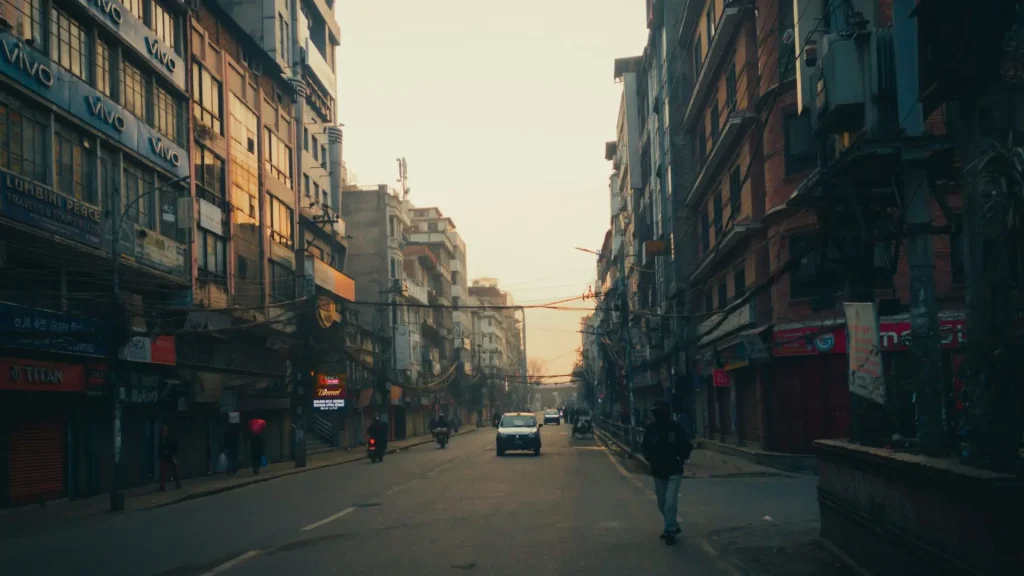
Kathmandu Valley is reached through Tribhuvan International Airport (KTM), Nepal’s primary international airport, located inside Kathmandu city itself, or overland by bus from India through border crossings such as Sunauli or Kakarbhitta. Within the valley, travel between Kathmandu, Patan, and Bhaktapur is straightforward by taxi, ride-hailing app, or local bus.
- Taxi/ride-hailing: The easiest way to move between Durbar Squares and heritage sites; agree on a fare or confirm the meter before departure if not using an app.
- Local buses: Cheapest option, running between Kathmandu, Patan, and Bhaktapur, though schedules and routes are less predictable for first-time visitors.
- Walking: Central Kathmandu (Thamel to Durbar Square) and Bhaktapur’s old core are both very walkable; the areas between cities are not.
- Chandragiri Cable Car and Nagarkot road trips: Common half-day add-ons, typically arranged via taxi or organized tour.
| Important: Traffic congestion and air quality can be significant in Kathmandu, particularly along the Ring Road during dry-season months. Build extra travel time between sites, especially during morning and evening rush hours. |
Where to Stay in Kathmandu Valley
Most independent travelers base themselves in Thamel for its concentration of guesthouses, trekking agencies, and restaurants, though Patan and Bhaktapur are increasingly popular for a quieter, more heritage-focused stay.
| Area | Best For | Trade-off |
| Thamel (Kathmandu) | First-timers, trek planning, nightlife | Noisy, touristy |
| Patan | Quieter base, close to Patan Durbar Square | Slightly farther from Thamel’s services |
| Bhaktapur | Immersive heritage experience, car-free core | Farther from the airport and Thamel |
| Budget Tip: Budget guesthouses in Thamel are widely available, while Patan and Bhaktapur tend to have fewer but often better-value mid-range heritage-hotel options inside restored Newari buildings. |
Food to Try in Kathmandu Valley
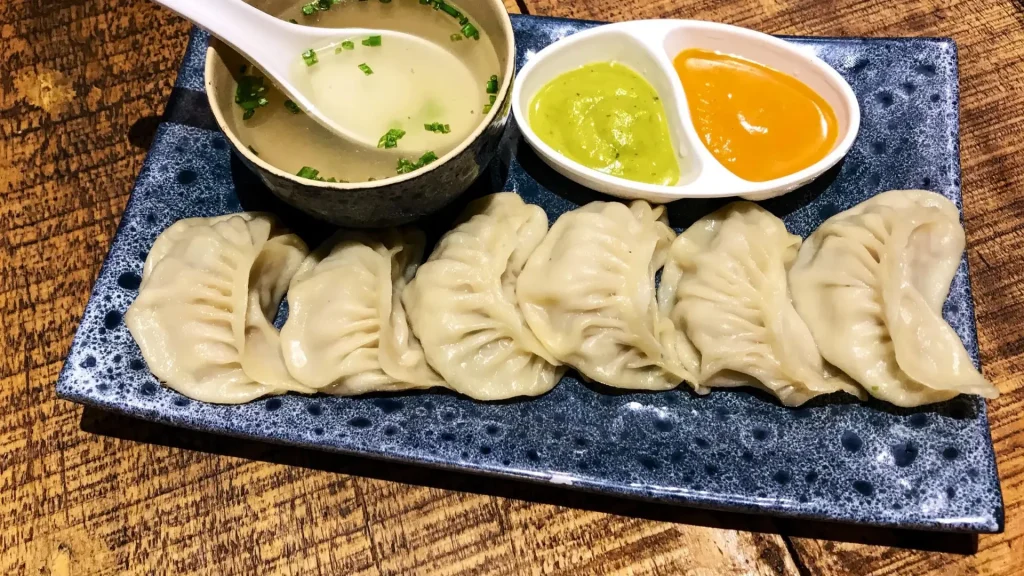
Kathmandu Valley’s food scene centers on Newar cuisine alongside Nepal’s staple dal bhat and a growing international café scene in Kathmandu and Patan.
- Newari khaja set: A sampler platter of beaten rice (chiura), spiced meat, bara (lentil patties), and pickles, best found in Patan or Bhaktapur’s old-town eateries.
- Momo: Nepal’s ubiquitous dumpling, available everywhere from street stalls to sit-down restaurants.
- Juju dhau (“king of yogurt”): A Bhaktapur specialty, thick and clay-pot set. Worth seeking out specifically in Bhaktapur.
- Dal bhat: Nepal’s staple rice-and-lentil meal, widely available and typically refillable at local restaurants.
Kathmandu Valley Trip Costs
Daily costs in Kathmandu Valley vary widely by travel style, but budget travelers can get by on notably less than mid-range visitors once heritage-site entry fees are factored in.
| Category | Budget | Mid-Range |
| Accommodation | $8-15/night (guesthouse) | $30-70/night (boutique hotel) |
| Food | $8-12/day | $20-35/day |
| Local transport | $3-8/day (bus, occasional taxi) | $15-25/day (taxi/ride-hail) |
| Heritage site entries (3-4 sites) | ~$25-35 total | ~$25-35 total |
| Budget Tip: Heritage-site entry fees are largely fixed regardless of travel style, so they take up a proportionally larger share of a tight daily budget. Factor them in separately rather than folding them into a general daily estimate. |
Common Mistakes to Avoid in Kathmandu Valley
- Trying to see all three Durbar Squares in one day. Each deserves at least half a day; rushing means missing museums and backstreet craftsmanship.
- Skipping Bhaktapur because it’s “far.” It’s roughly 13 km from central Kathmandu, closer than many day-trip travelers happily take elsewhere in Nepal.
- Not carrying small cash for entry tickets. Card payment isn’t reliably available at every heritage-site ticket booth.
- Ignoring dress and behavior norms at Pashupatinath. It’s an active cremation and worship site, not just a sightseeing stop.
- Underestimating valley traffic when planning same-day multi-site routes.
Final Thoughts
Kathmandu Valley packs three historic royal cities and seven UNESCO World Heritage sites into a compact, walkable region, making it one of the most rewarding places in Nepal to explore slowly rather than rush through.
Whether you are using it as a standalone cultural trip or as the gateway before or after a Himalayan trek, giving Kathmandu Valley 3 to 5 unhurried days, timed for autumn or spring if possible, is the difference between checking off temples and actually understanding the valley’s living Newar heritage.
Frequently Asked Questions
1. What is Kathmandu Valley known for?
Kathmandu Valley is known for its seven UNESCO World Heritage monument zones, Newar architecture and culture, and its role as Nepal’s political and cultural capital. It is home to three historic royal cities, Kathmandu, Patan, and Bhaktapur, and is the arrival point for nearly all international travelers to Nepal.
2. How many days do you need in Kathmandu Valley?
Kathmandu Valley generally requires 3 to 5 days to see comfortably, covering the major Durbar Squares and religious sites without rushing. Two days works only for a tightly focused highlights run, while a week allows time for day hikes and slower exploration.
3. What is the best time to visit Kathmandu Valley?
The best time to visit Kathmandu Valley is October to November or March to April, when skies are clearest and temperatures are mild. These windows also align with major festivals like Dashain, Tihar, and Bisket Jatra.
4. Is Kathmandu Valley the same as Kathmandu City?
Kathmandu Valley is not the same as Kathmandu City. The valley is the wider basin containing three historic cities, including Kathmandu, Patan, and Bhaktapur, while Kathmandu itself is just one of those three.
5. How many UNESCO World Heritage sites are in Kathmandu Valley?
Kathmandu Valley contains seven UNESCO World Heritage monument zones: the Durbar Squares of Kathmandu, Patan, and Bhaktapur, plus Swayambhunath, Boudhanath, Pashupatinath, and Changu Narayan.
6. Do I need a guide to visit Kathmandu Valley’s heritage sites?
A guide is not required to visit Kathmandu Valley’s heritage sites, but it is recommended at complex sites like Kathmandu and Patan Durbar Squares, where a guide can explain the history and symbolism that is not obvious from signage alone.
7. Which Durbar Square is the best in Kathmandu Valley?
There is no single “best” Durbar Square in Kathmandu Valley. Kathmandu’s is the most central and historically significant, Patan’s is considered the finest for craftsmanship, and Bhaktapur’s preserves the most intact medieval cityscape.
8. Is Kathmandu Valley safe for tourists?
Kathmandu Valley is generally safe for tourists, with petty theft and traffic being the main practical concerns rather than violent crime. Standard travel precautions, including watching belongings in crowded areas and using registered taxis, are sufficient for most visitors.
9. Can I visit Kathmandu Valley without trekking in Nepal?
Kathmandu Valley can absolutely be visited without trekking in Nepal. It functions as a complete, self-contained destination centered on heritage, culture, and food, and many travelers visit it as their entire Nepal trip.
10. What should I wear when visiting temples in Kathmandu Valley?
Modest clothing that covers shoulders and knees is appropriate when visiting temples in Kathmandu Valley, and shoes must be removed before entering most temple interiors. Leather items are sometimes restricted at certain Hindu temple entrances, so check signage at each site.
11. How much does it cost to visit Kathmandu Valley’s heritage sites?
Visiting Kathmandu Valley’s main heritage sites costs NPR 5,750 total (about USD 43) for foreign visitors covering all seven UNESCO monument zones, with Bhaktapur Durbar Square (NPR 1,800) as the single most expensive ticket.
12. What is the difference between Kathmandu, Patan, and Bhaktapur?
Kathmandu, Patan, and Bhaktapur are three separate historic royal cities within Kathmandu Valley, each with its own Durbar Square and distinct character. Kathmandu is the largest and most modern, Patan is known for artistic craftsmanship, and Bhaktapur preserves the most traditional, car-free medieval core.
Sources
UNESCO World Heritage Centre: Kathmandu Valley Monument Zones: https://whc.unesco.org/en/list/121/