
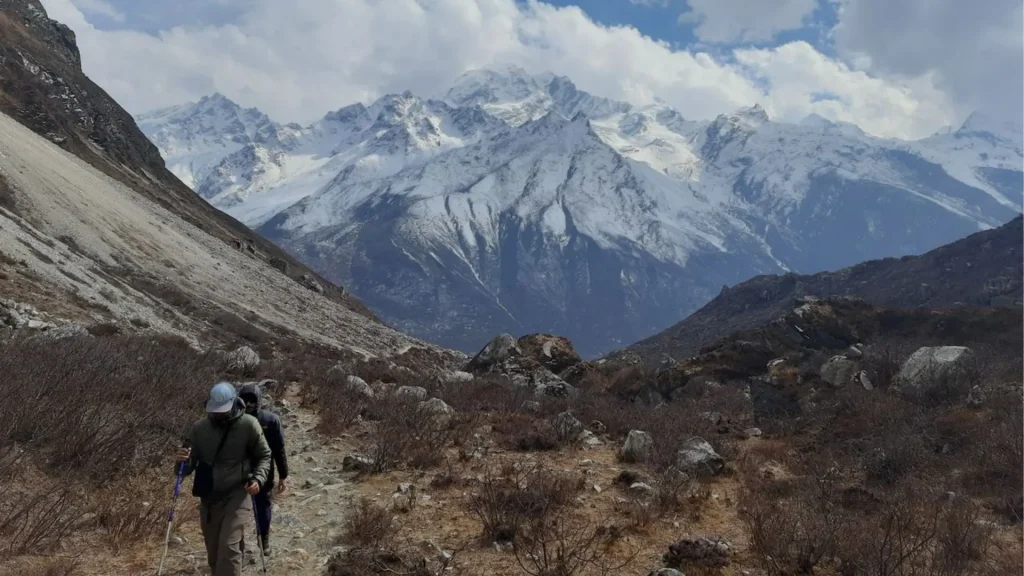
Kathmandu is one of the few capital cities in the world where you can be trekking among 7,000-meter peaks within a single day’s drive, and the Langtang Valley Trek is the route that makes this possible. Tucked north of the capital along the Tibetan border, the Langtang region combines glacier-fed valleys, Tamang villages, and Tibetan Buddhist monasteries into a trekking experience that rarely needs more than 8 to 10 days.
This guide covers what the Langtang Valley Trek actually involves, including the route, the villages you will pass through, the permits you need, realistic costs, and the practical details that matter before you commit to trekking here.
Quick Answer
The Langtang Valley Trek is a moderate 7 to 10-day trekking route in Langtang National Park, roughly 7 to 8 hours by road from Kathmandu. It follows the Langtang Khola through rhododendron forest and Tamang villages to Kyanjin Gompa (3,870 m), with optional side hikes to Kyanjin Ri or Tserko Ri for close-up views of Langtang Lirung. Most trekkers complete it in 8 days, spending roughly $700-$1,500 depending on whether they book a guided package or arrange services independently.
Key Takeaways
- The Langtang Valley Trek takes 7 to 10 days round-trip from Syabrubesi.
- 8 days is the most common itinerary for the standard route to Kyanjin Gompa.
- A licensed guide is legally required for all foreign trekkers in Langtang National Park.
- This rule has been enforced since April 2023.
- Permit costs are fixed: NPR 3,000 for the Langtang National Park entry permit, plus a TIMS (Trekkers’ Information Management System) card costing NPR 2,000 for foreign trekkers (or NPR 1,000 for SAARC nationals).
- Both permits are arranged through a registered trekking agency as part of the mandatory guide requirement.
- The trek tops out around 4,984-5,033m at Tserko Ri, so acclimatization at Kyanjin Gompa matters.
- Langtang Village was rebuilt after the 2015 earthquake, and trekking here supports that recovery.
Table of Contents
What Is the Langtang Valley Trek?
The Langtang Valley Trek is a teahouse trek through Langtang National Park, Nepal’s first Himalayan national park, established in 1976. The trail follows the Langtang Khola (Langtang River) upstream from Syabrubesi, climbing gradually through forest and farmland before opening into the wide glacial valley that gives the trek its name. Along the way, you pass through villages inhabited largely by Tamang people, an ethnic group with strong Tibetan Buddhist roots, whose culture is visible in the mani walls, prayer flags, and monasteries that line the trail.
Unlike the Everest or Annapurna regions, Langtang doesn’t require a domestic flight. You drive there from Kathmandu, which keeps costs down and removes one of the biggest sources of delay and cancellation on other Nepal treks. This makes Langtang Valley trekking a practical choice for travelers with limited time or a tighter budget who still want a genuine high-altitude Himalayan experience.
Ready to explore the Himalayas on foot? Discover the best trekking in Nepal, from classic routes to lesser-known trails.
The trek sits within the wider Langtang Region, which also includes the Tamang Heritage Trail and the Gosaikunda lakes, both of which can be combined with the standard route for trekkers who want a longer Langtang Circuit itinerary.
| Good to Know: Wander Himalayan is an independent travel information platform and does not operate or sell treks. Everything in this guide is meant to help you understand the route and plan with a licensed trekking agency of your choice. |
Where Is Langtang Valley?
Langtang Valley lies in Rasuwa district, in Bagmati Province, roughly 60 km north of Kathmandu as the crow flies. It is close enough that Langtang Lirung is visible from parts of the Kathmandu Valley on a clear day.
The valley runs east-west along the Langtang Khola, bordered by the Langtang Himal to the north and the Nepal-Tibet border just beyond. Access starts in Kathmandu, from where a road journey along the Trishuli corridor reaches Syabrubesi, the trailhead.
Looking for more inspiration for your Nepal journey? Explore Wander Himalayan for travel guides, destinations, and practical tips.
How Long Does the Langtang Trek Take?
A standard Langtang Valley Trek takes 7 to 10 days round-trip, and most itineraries settle on 8 days as the practical middle ground between proper acclimatization and a reasonable time commitment. Shorter 5 to 6 day versions exist but compress acclimatization and increase altitude-sickness risk. Longer itineraries of 12 to 15 days usually add the Tamang Heritage Trail or a crossing to Gosaikunda, turning the trek into a full Langtang Circuit.
Walking days on the standard route run 4 to 7 hours, with the longest days occurring between Lama Hotel and Langtang Village, where the trail gains significant elevation.
Sample 8-Day Langtang Valley Trek Itinerary
| Day | Route | Approx. Altitude | Walking Time |
| 1 | Kathmandu to Syabrubesi (drive) | 1,460m | 7-8 hrs drive |
| 2 | Syabrubesi to Lama Hotel | 2,470m | 6-7 hrs |
| 3 | Lama Hotel to Langtang Village | 3,430m | 6-7 hrs |
| 4 | Langtang Village to Kyanjin Gompa | 3,870m | 3-4 hrs |
| 5 | Acclimatization day: hike to Kyanjin Ri or Tserko Ri | 4,773m / 5,033m | 4-6 hrs |
| 6 | Kyanjin Gompa to Lama Hotel | 2,470m | 6-7 hrs |
| 7 | Lama Hotel to Syabrubesi | 1,460m | 5-6 hrs |
| 8 | Syabrubesi to Kathmandu (drive) | 1,400m | 7-8 hrs drive |
| Quick Tip: Trekkers with an extra 2 to 3 days often extend from Kyanjin Gompa toward Langshisha Kharka for closer glacier views or return via the Gosaikunda lakes for a full Langtang-Gosaikunda circuit instead of retracing the same trail. |
Route Highlights: What You’ll See on the Trek to Langtang Valley
Syabrubesi is the roadhead and the official start of the trek, a small town at the confluence of the Bhote Koshi and Trishuli rivers.
Lama Hotel, despite its name, is a small cluster of lodges rather than a village, set inside dense rhododendron and oak forest along the Langtang Khola. It is a common overnight stop on both the way up and the way down.
Langtang Village sits at roughly 3,430 m and is the rebuilt heart of the valley, home to the Tamang community whose ancestors have lived here for generations. This is also where the trail passes the memorial to the 2015 earthquake, discussed in more detail below.
Kyanjin Gompa, at 3,870 m, is the trek’s main hub, a cluster of teahouses, a working cheese factory, and a centuries-old Tibetan Buddhist monastery. Most itineraries base here for the acclimatization day, using it as a launchpad for side hikes.
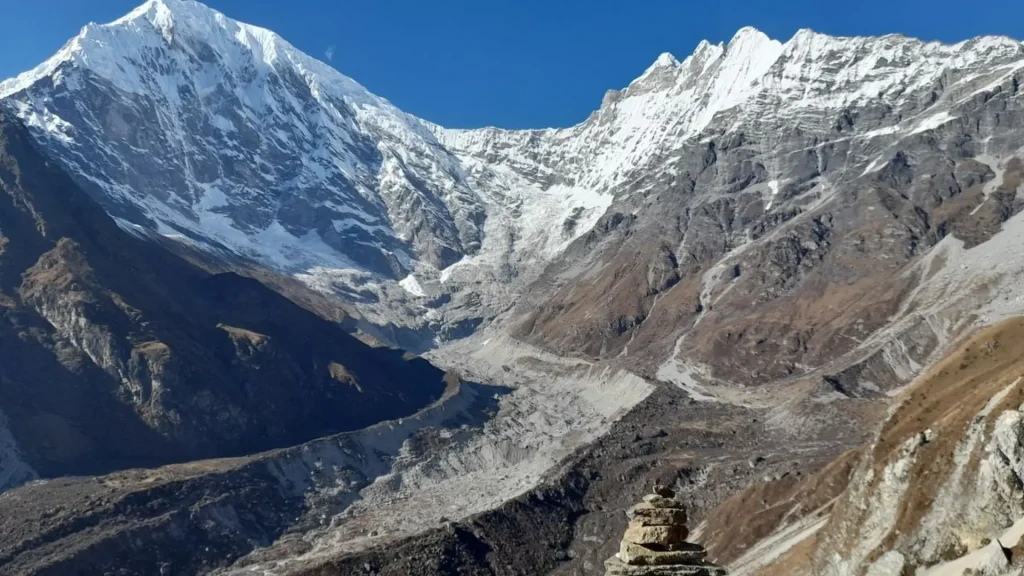
Kyanjin Ri (roughly 4,773 m) and Tserko Ri (roughly 5,033 m) are the two viewpoint hikes available from Kyanjin Gompa. Kyanjin Ri is shorter and more accessible; Tserko Ri is a longer, steeper climb that rewards trekkers with a genuinely panoramic view of Langtang Lirung, the Langtang Glacier, and the surrounding Langtang Himal.
Gosaikunda, a sacred alpine lake system above 4,300 m, sits on a separate branch of trail and is typically added by trekkers extending beyond the standard Langtang Valley itinerary.
| Local Insight: The cheese produced at the Kyanjin Gompa dairy dates back to a Swiss-assisted development project from the 1950s, and it’s still one of the few places in the Himalayas where you can buy fresh yak cheese on the trail. |
How Difficult Is the Langtang Valley Trek?
The Langtang Valley Trek is considered moderate in difficulty, manageable for reasonably fit first-time trekkers, but demanding enough that it should not be treated casually. The trail gains around 2,400 m in elevation over the first three days, which is a steady, sustained climb rather than a technical one. There is no glacier travel or exposed scrambling on the standard route.
The main difficulty factor is altitude. Kyanjin Gompa sits at 3,870m, and the optional Tserko Ri side hike pushes above 5,000m, high enough that altitude sickness becomes a real risk if you climb too fast. Trekking fitness matters more than technical mountaineering skill: expect 4 to 7 hours of walking on most days, often on uneven stone trails with some steep sections between Lama Hotel and Langtang Village.
Langtang vs. Other Popular Nepal Treks
| Trek | Typical Duration | Max Altitude | Difficulty | Flight Required |
| Langtang Valley Trek | 7-10 days | ~5,033m (Tserko Ri) | Moderate | No |
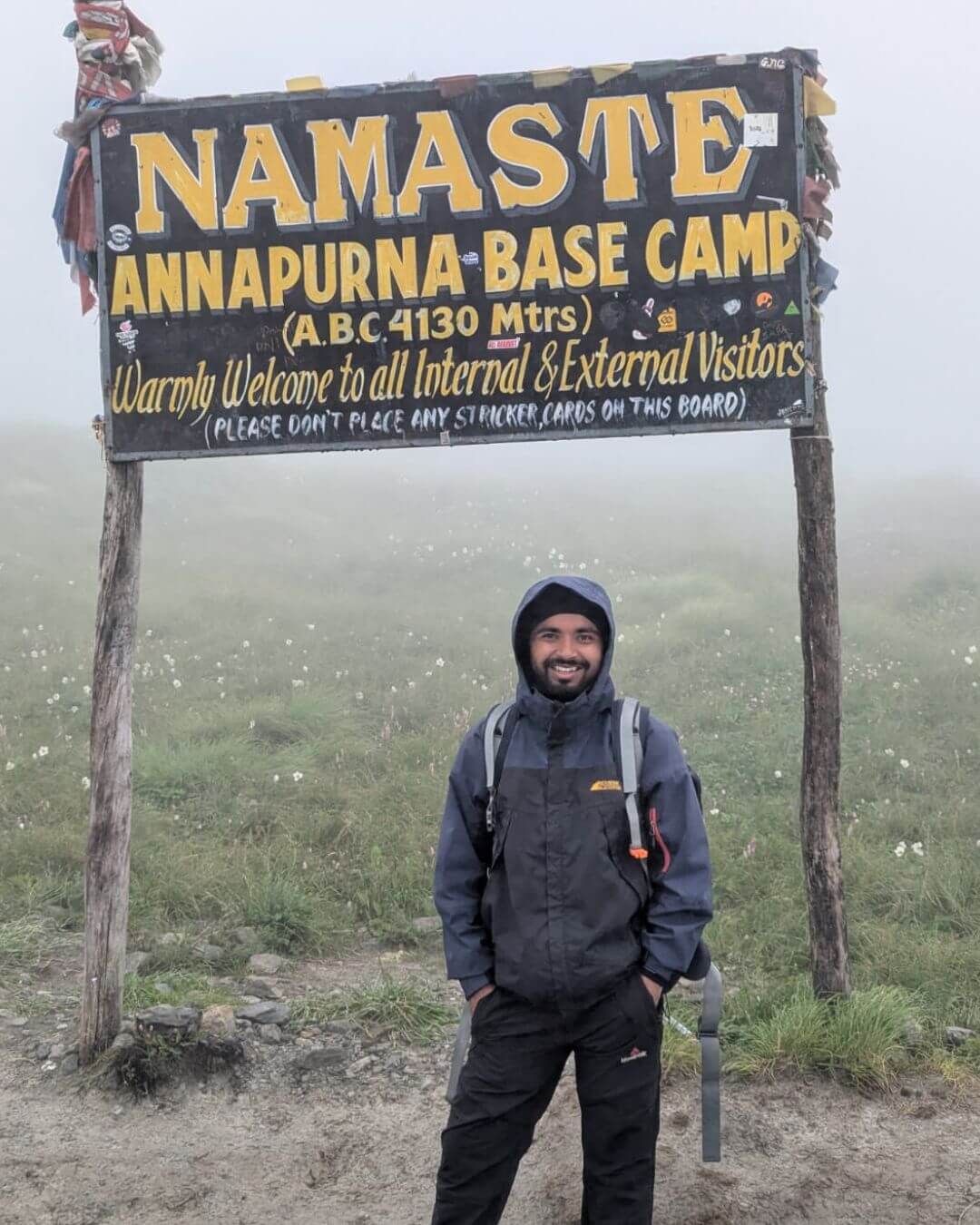
| Annapurna Base Camp Trek | 7-12 days | ~4,130 m | Moderate | No |
| Everest Base Camp Trek | 12-14 days | ~5,545m (Kala Patthar) | Moderate-Strenuous | Yes (Lukla) |
| Annapurna Circuit Trek | 12-18 days | ~5,416m (Thorong La) | Moderate-Strenuous | Optional |
| Safety Note: Altitude sickness can affect trekkers regardless of fitness level. Walk at a steady pace, stay hydrated, and take the acclimatization day at Kyanjin Gompa seriously rather than skipping it to save time. This guide is for general planning purposes only and is not a substitute for advice from a medical professional or your trekking guide. |
Best Time to Trek Langtang Valley
| Season | Months | Conditions |
| Spring | March-May | Warm days, rhododendron blooms, clear mountain views |
| Summer/Monsoon | June-August | Wet trails, leeches at lower elevation, limited visibility |
| Autumn | September-November | Most popular season: stable weather, best visibility |
| Winter | December-February | Cold, quiet trails, some high lodges may close |
Autumn and spring are the two recommended windows for the Langtang Valley Trek, offering the clearest mountain views and the most reliable weather. Winter is trekkable but colder, with fewer trekkers on the trail and a real chance that some teahouses above Langtang Village reduce services.
Monsoon season brings the least favorable trekking conditions, since cloud cover regularly blocks mountain views and the lower trail sections turn muddy.
Permits and Requirements for the Langtang Valley Trek
Every foreign trekker needs two things to enter Langtang National Park legally: the national park entry permit and a TIMS (Trekkers’ Information Management System) card.
Since April 2023, Nepal has also required all foreign trekkers in national parks and conservation areas, including Langtang, to be accompanied by a licensed guide from a government-registered trekking agency, which means these permits are now arranged through an agency rather than purchased independently at the tourism office.
| Permit | Foreigners | SAARC Nationals | Nepali Citizens |
| Langtang National Park Entry Permit | NPR 3,000 | NPR 1,500 | NPR 100 (+VAT) |
| TIMS Card | NPR 2,000 | NPR 1,000 | Not required |
Important: The mandatory guide rule applies to all foreign nationals, with no exception for solo trekkers or small groups. Attempting to trek without a licensed guide can result in being turned back at a checkpoint, since permits are checked at multiple points along the trail, including Dhunche and Syabrubesi. No group is required to trek, as solo trekking is allowed but with a licensed guide.
Children under 10 are typically exempt from the park entry fee. Permits are valid for a set period once issued and cover unrestricted movement within the park during that window, so there’s no need to pay again if you take rest days or side trips within the valley.
How Much Does the Langtang Valley Trek Cost?
A guided Langtang Valley Trek typically costs between $700 and $1,500 per person for a standard 8-day itinerary, covering transportation, permits, a licensed guide, teahouse accommodation, and meals on the trail.
The exact figure depends on group size, the level of comfort you want, and whether you add a porter. Independent budget trekkers who skip a full agency package but still meet the mandatory guide requirement can sometimes bring costs down toward the lower end of that range, while private, fully customized treks with a dedicated porter and jeep transport push toward $1,500-$2,000.
Typical Cost Breakdown (Per Person, 8-Day Trek)
| Item | Estimated Cost |
| National Park permit + TIMS card | ~$50 total |
| Licensed guide | $25-$35 per day |
| Porter (optional) | $15-$25 per day |
| Teahouse accommodation | $5-$10 per night |
| Meals on the trail | $20-$35 per day |
| Kathmandu-Syabrubesi transport (round trip) | $20-$60 per person, depending on bus or jeep |
| Budget Tip: Food, not lodging, is usually the biggest daily expense on the trail. Basic teahouse rooms cost very little, but prices for meals and hot drinks rise the higher you climb, since everything has to be carried in by porter or mule. Dal bhat (rice, lentils, and vegetables, usually with a free refill) remains the most cost-effective and filling option at almost every teahouse. |
Compared to the Everest region, Langtang Trekking avoids the cost of a domestic flight to Lukla entirely, which is one of the main reasons it’s often recommended as a lower-cost alternative for travelers who want a genuine high-altitude experience on a tighter budget.
Accommodation and Food on the Trail
Langtang is a teahouse trekking route, meaning you stay in simple, family-run lodges rather than camping. Rooms are basic, typically twin beds, shared bathrooms at lower elevations, and thinner walls the higher you climb, but they are warm enough with a good sleeping bag and reliable at every stage of the standard itinerary.
Meals are prepared fresh at each teahouse, with menus that get shorter and slightly more expensive the further you get from the roadhead.
Wi-Fi and charging are available at most lodges for a small fee, though connectivity becomes less reliable above Langtang Village. Hot showers are usually available too, again for an extra charge at higher elevations.
Tamang Culture and Tibetan Buddhist Heritage in Langtang Valley
The Langtang region is home to the Tamang people, one of Nepal’s Tibeto-Burman ethnic groups, whose language, dress, and religious practices reflect a close historical connection to Tibet.
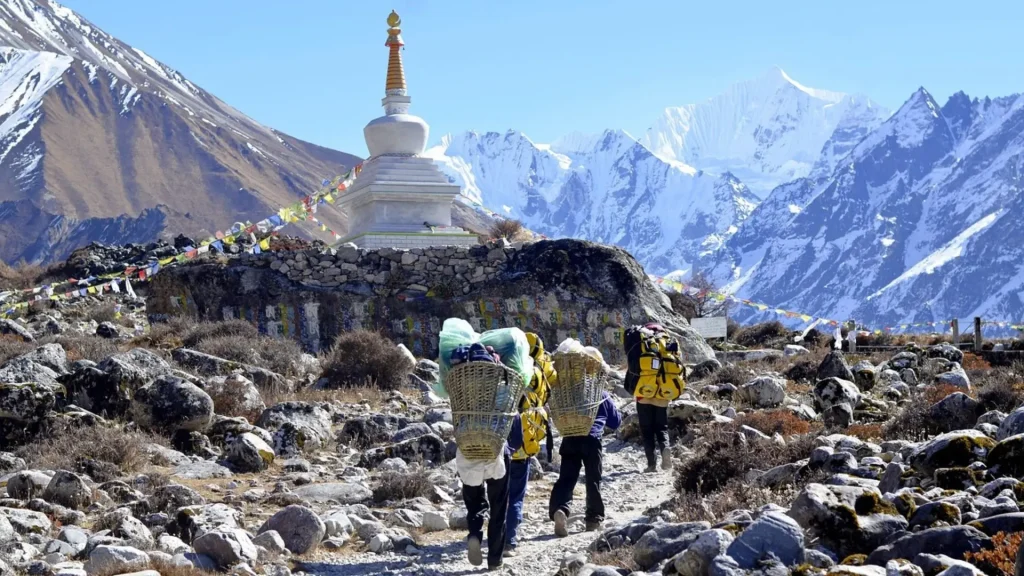
Tamang culture is visibly present throughout the trek, including in the mani walls and chortens that line the trail, the prayer flags strung across bridges, and the Tibetan Buddhist monasteries found in villages like Langtang and Kyanjin Gompa.
Trekkers should walk clockwise around mani walls and chortens, a small gesture of respect that’s easy to follow and genuinely appreciated by local communities. Photographing monasteries and religious sites is usually fine, but it’s worth asking before photographing people, particularly monks or elders.
| Responsible Travel: Buying tea, snacks, or handicrafts directly from teahouse owners along the trail puts money straight into the local economy that depends heavily on trekking income, especially in a region still rebuilding after 2015. |
The 2015 Earthquake and Langtang Today
Nearly 300 people were killed in Langtang village when the April 25, 2015 earthquake triggered a massive avalanche of snow, ice, and rock from Langtang Lirung that buried the settlement almost entirely, making it one of the single deadliest disaster sites of that earthquake anywhere in Nepal.
Sources:
- Al Jazeera: Nepal village ravaged by 2015 earthquake now a reluctant tourist hotspot
- NASA Earth Observatory: Landslide in Langtang Valley
- Nepal Tourism Board: TIMS Card requirements
Langtang Village has since been rebuilt on slightly higher ground nearby, with earthquake-resistant construction and restored trails and teahouses. A memorial near the village honors those who died. Trekking through Langtang today is not just about scenery. It is a direct, practical way to support a community whose livelihood depends heavily on the trekking economy it lost overnight in 2015.
| Before You Go: If you’d like to understand more about how the region has recovered, ask your guide about the rebuilding effort once you reach Langtang Village. Many guides working the route today grew up in the valley and can speak to it firsthand. |
Preparing for the Trek: What to Pack
A successful Langtang Valley trek depends less on specialized gear and more on layering correctly for a wide temperature range, since you’ll move from subtropical forest to alpine conditions in the space of a few days. Core packing categories include:
- Layered clothing: moisture-wicking base layers, an insulated mid-layer, and a windproof/waterproof outer shell
- A four-season sleeping bag rated for below-freezing temperatures at Kyanjin Gompa
- Sturdy, broken-in trekking boots with ankle support
- A basic first-aid kit, including altitude-sickness medication if recommended by your doctor
- A headlamp, reusable water bottle, and water purification tablets or a filter
- Sun protection: sunglasses, sunscreen, and a wide-brimmed hat for high-altitude UV exposure
| Pro Tip: Pack a lightweight down jacket even if you are trekking in autumn. Temperatures at Kyanjin Gompa can drop well below freezing at night even when daytime conditions feel mild. |
Common Mistakes to Avoid During the Langtang Valley Trek
A few planning mistakes come up again and again on the Langtang Valley Trek, and most of them are easy to avoid once you know to look out for them:
- Rushing the itinerary to save a day. This cuts directly into acclimatization time and raises the risk of altitude sickness above Langtang Village.
- Underestimating the cold at Kyanjin Gompa. Daytime warmth on the lower trail can create a false sense of what conditions will be like higher up, where nights regularly drop below freezing.
- Skipping travel insurance for high-altitude trekking. Coverage that includes emergency evacuation matters more in Langtang than it might seem, given the remoteness of the upper valley.
- Assuming the trek can still be done independently. As of 2023, trekking without a licensed guide is no longer legal for foreign nationals in Langtang National Park.
Alternatives to the Standard Langtang Valley Route
Trekkers who want more than the standard out-and-back itinerary have a few practical options. The Tamang Heritage Trail runs through villages west of the main Langtang trail, focusing more heavily on Tamang culture and hot springs at Tatopani, and can be combined with the Langtang Valley route for a longer loop.
The Gosaikunda extension adds several days and a high pass crossing, taking trekkers to the sacred lakes above 4,300m before descending toward Helambu.
Combining either option with the standard route effectively creates a full Langtang Circuit, appealing to trekkers with 12 to 15 days available rather than the standard 8.
Final Thoughts
The Langtang Valley Trek offers a genuine Himalayan trekking experience without the cost or logistics of a mountain flight, which is exactly why it continues to draw first-time trekkers and returning visitors alike.
Between the views of Langtang Lirung, the Tamang villages along the trail, and the quiet resilience of a community that rebuilt itself after 2015, it’s a trek that rewards travelers looking for substance over spectacle.
Frequently Asked Questions
1. How long does the Langtang trek take?
The Langtang trek typically takes 7 to 10 days round-trip from Syabrubesi, with most standard itineraries built around 8 days. Longer versions that add the Tamang Heritage Trail or Gosaikunda can extend the trip to 12 to 15 days.
2. Is Langtang Valley Trek difficult?
The Langtang Valley Trek is moderately difficult, suitable for reasonably fit first-time trekkers but not to be underestimated. The main challenge is altitude rather than technical terrain, with the trek reaching just over 5,000m at Tserko Ri.
3. How many people died in Langtang?
Nearly 300 people died in Langtang village during the April 2015 earthquake, when an earthquake-triggered avalanche from Langtang Lirung buried the settlement. The village has since been rebuilt on higher ground nearby.
4. How much does the Langtang Valley Trek cost?
The Langtang Valley Trek costs roughly $700 to $1,500 per person for a standard guided 8-day itinerary, including permits, a licensed guide, teahouse accommodation, and meals. Costs can run lower for basic independent-style trekking or higher for private, fully customized packages.
5. Do I need a guide for the Langtang Valley Trek?
Yes. Since April 2023, all foreign trekkers in Langtang National Park are legally required to trek with a licensed guide arranged through a government-registered trekking agency, regardless of group size or trekking experience.
6. What is the best time of year to trek Langtang Valley?
Autumn (September-November) and spring (March-May) are the best seasons for the Langtang Valley Trek, offering the clearest mountain views and the most stable weather. Winter is quieter and colder, while monsoon season brings limited visibility and muddy trails.
7. Can beginners do the Langtang Valley Trek?
Yes, the Langtang Valley Trek is often recommended as a good option for first-time Himalayan trekkers, since it’s shorter and logistically simpler than routes like the Everest Base Camp or Annapurna Circuit treks, while still reaching genuine high-altitude terrain.
8. What is the highest point on the Langtang Valley Trek?
The highest point on the standard route is Tserko Ri, at roughly 5,033m, an optional side hike from Kyanjin Gompa. Trekkers who skip this side trip top out around 4,773m at Kyanjin Ri instead.
9. Is Langtang Valley connected to the Everest or Annapurna regions?
No. Langtang, Everest, and Annapurna are separate trekking regions in different parts of Nepal, each reached by a different access route. Unlike the Everest region, which typically requires a domestic flight to Lukla, Langtang and Annapurna can both be reached entirely by road from Kathmandu.
10. What permits do I need for the Langtang Valley Trek?
You need a Langtang National Park entry permit (NPR 3,000 for foreigners) and a TIMS card (NPR 2,000 for foreigners), both of which are now arranged through a licensed trekking agency as part of the mandatory guide requirement.